
 call 833-925-8326



Research does indicate that vaping is vastly healthier in upwards of 98%, but does this mean vaping is completely safe for your teeth? Few things really are. The truth is, many vapers either haven’t given it much thought or overlook it because they’re content with knowing the many health benefits of making the switch.
Disclaimer: The purpose of this article is for educational purposes. If you’re like me and choose to vape as a healthier alternative, it’s worth knowing the potential risks and necessary preventative measures that can be taken to help minimize any health impacts.
Choosing electronic cigarettes as an alternative has many positive health outcomes on both the systemic and oral health, but the long-term effects are still somewhat inconclusive. Nevertheless, the health risks of vaping are still there, whether substantial or minimal. After all, you only get one set of natural teeth, and it’s worth knowing the pros and cons.
Before we dive into the effects of vaping and the oral cavity, lets have a look at two of the most prevalent conditions: gum disease and cavities.
What is Gum Disease?
Gingivitis is a mild form of gum disease that causes the gums to turn red, swell, and bleed. There is little to no pain during this initial stage and is usually reversible with a combination of professional treatment and good oral hygiene.
If left untreated, gingivitis can lead to periodontal disease. Plaque and bacteria can grow below the gum line and lead to detachment of gums from the tooth and the destruction of periodontal ligaments and supporting bone structure.
Regular dental visits are a must to prevent this condition. Your dentist has the ability to check for gum disease with X-Rays and by measuring your gums.

Why Should I be so Concerned with Periodontal Disease?
Chronic periodontitis is the most common disease in the world — even more so than diabetes and cardiovascular disease. The onset is slow, usually painless and is the number one cause for tooth loss.
The advanced stage of gum disease is also irreversible. Once you start losing bone, there’s no getting it back. At most, a periodontist may be able to add bone to create a more consistent horizontal level but never restore it to its original height.

What Causes Gum Disease?
The bacteria contained within plaque are responsible for gingivitis. Contributing factors include inadequate oral hygiene, smoking, nutrition, stress, and systemic conditions such as diabetes and heart disease.
What are Cavities?

Cavities or caries are commonly referred to as tooth decay, and the beginning stages may not present with any symptoms. It can affect the outer enamel layer, inner dentin layer, and even kill the nerve. As the cavity gets larger, symptoms include sensitivity, mild or sharp pain to sweet, hot, or cold, and pain during eating.
If left untreated, cavities may spread to surrounding teeth and even lead to tooth loss.
What Causes Cavities?
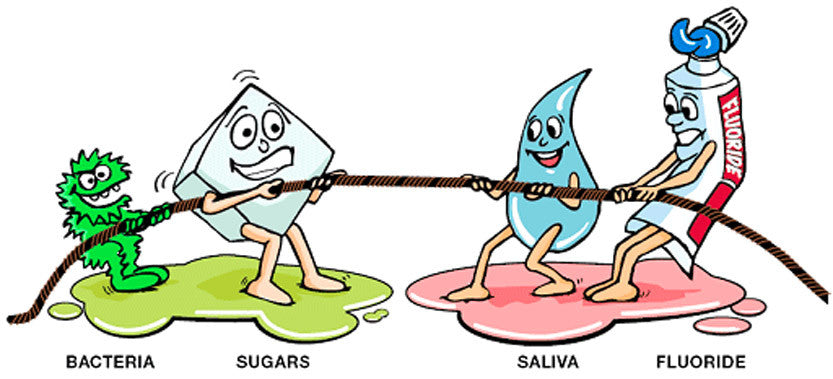
Bacteria feed on the food and sugar you eat and produce acid as a byproduct that erodes your tooth. Contributing factors to tooth decay include poor oral hygiene, smoking, diet, stress, and systemic diseases.
The Effects of Vaping and Teeth
What We Do Know:
 The three primary gram-negative bacteria responsible for gum disease include terponema denticola, porphyromonas gingivalis, and tannerella forsythia or otherwise known as the Red Complex Bacteria. These bacteria thrive in a de-oxygenated environment and are found in plaque, tartar, and periodontal pockets. The pathogens are responsible for gingivitis and can even lead to the destruction of periodontal ligaments and supporting alveolar bone.The vasoconstriction of your blood vessels can reduce your body’s ability to fight off the Red Complex Bacteria and lead to a greater risk of gum disease. Without sufficient blood flow, your gums do not receive the oxygen and nutrients they need to stay healthy.


The Good


Common Questions:
Vaping is causing tooth sensitivity. What can I do?
The heat from vapor or nicotine can cause tooth sensitivity and even gum recession. Gum recession is generally the most common cause of sensitivity and vaping may not be the only culprit. Lower the wattage, vape zero or lower nicotine, or try Sensodyne toothpaste. If the problem still persists, visit your dentist to see if a bond filling or even gum graft is possible.
Tip: I prefer using smaller drip tips in order roll my lips and block my front teeth during inhaling. This helps decrease sensitivity by preventing the hot vapor from contacting my teeth first.
Can the sweeteners in e-liquid cause cavities?
Current research only shows that nicotine delivery and dry mouth from vaping can increase the chances of cavities. Cavity causing bacteria feed on the glucose and carbohydrates from food and not the sucralose – an artificial sweetener used in e-juices. For now, it’s also safe to assume you can still vape after brushing your teeth.
Vaping is making my mouth dry. What should I do?
Again, heat and nicotine can cause dry mouth. Lower the wattage and nicotine levels. Drink plenty of water and even use Biotene mouth rinse.

I just had a crown or a filling. Can I still vape?
If the procedure you had with your dentist is minimally invasive and involves little to no bleeding — you can vape. However, you should still consult with your dentist just to be safe.
Is it okay to vape after a tooth extraction?
You should not be vaping for at least the first three days following an extraction. One of the most critical healing factors after an extraction is the blood clot. The nicotine and heat can greatly reduce the clotting and slow the healing time.
In addition, the negative pressure from sucking on the vape can potentially dislodge the clot, causing an extremely painful dry socket or even infection. Your dentist should explain the post-operative procedures after the extraction.

For vapers, early detection is the main priority. Visiting the dentist regularly for oral screenings and exams are a must. You should have optimum oral hygiene habits including brushing and flossing regularly.
Check your mouth regularly and be aware for any signs of complications, bleeding, or gum disease.