Periodontal Irrigation (Generalized)
Periodontal irrigation involves using a dental irrigator to clean between teeth and gums, removing debris and promoting gum health. It’s a helpful addition to oral care routines.

 call 833-925-8326


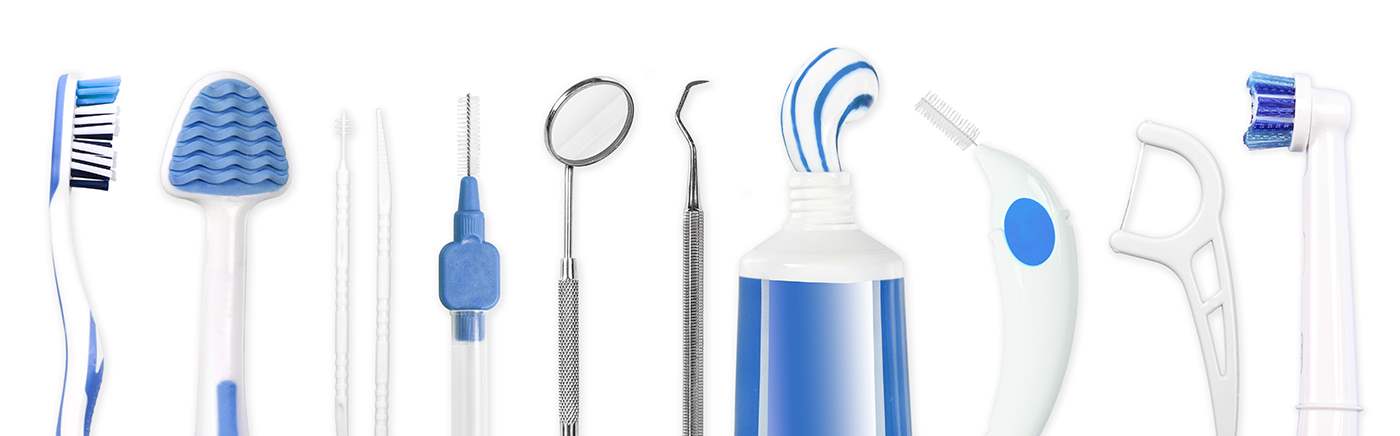
Periodontal irrigation involves using a dental irrigator to clean between teeth and gums, removing debris and promoting gum health. It’s a helpful addition to oral care routines.
Periodontal maintenance refers to a specialized and ongoing dental care program designed for individuals who have been treated for gum disease (periodontitis). It aims to prevent the recurrence of gum disease and maintain optimal oral health.
A Porcelain Fused to Base Metal Crown is a dental restoration that combines a metal base (typically a high-noble or noble alloy) with a layer of porcelain. The metal provides strength and durability, while the porcelain layer gives the crown a natural appearance.
A Porcelain Fused to High Noble Metal Crown is a type of dental crown that combines the strength of a metal substructure (usually high noble metal like gold, platinum, or palladium) with the esthetic appeal of porcelain.
Porcelain Fused to Noble Metal crown is a type of dental crown that consists of a metal substructure (usually noble metal, such as gold or palladium) covered with a layer of tooth-colored porcelain.
A porcelain pontic is a dental prosthetic that serves as a replacement for a missing tooth in a dental bridge. It is the artificial tooth-like component that spans the gap created by a missing tooth.
Prophylaxis, in the context of dental care for children, refers to preventive measures aimed at maintaining good oral health and preventing dental issues such as cavities and gum disease.
Prophylaxis cleaning, commonly known as a dental prophylaxis or professional teeth cleaning, is a preventive dental procedure performed by a dental hygienist to remove plaque, tartar, and stains from the teeth.
Direct pulp capping is a dental procedure where a medicated material is placed directly onto an exposed or nearly exposed pulp (the innermost part of the tooth containing nerves and blood vessels) to promote healing and preserve the vitality of the pulp.
Indirect pulp capping is a dental procedure performed when the pulp of a tooth is not fully exposed but is at risk of being exposed due to decay or trauma. The goal of indirect pulp capping is to preserve pulp vitality by leaving a layer of affected dentin to protect the pulp and stimulate the formation of a dentin bridge.